
A step-by-step guide on making a DAO #18
By Captainjames.eth

What is a DAO?
Decentralized = Online, global, uncensorable = Controlled by multiple agents, often equally.
Autonomous = Self-governing = Having the freedom to govern oneself or control one’s own affairs.
Organisation =Coordination and collaboration around shared objectives = A group of people with a unifying purpose
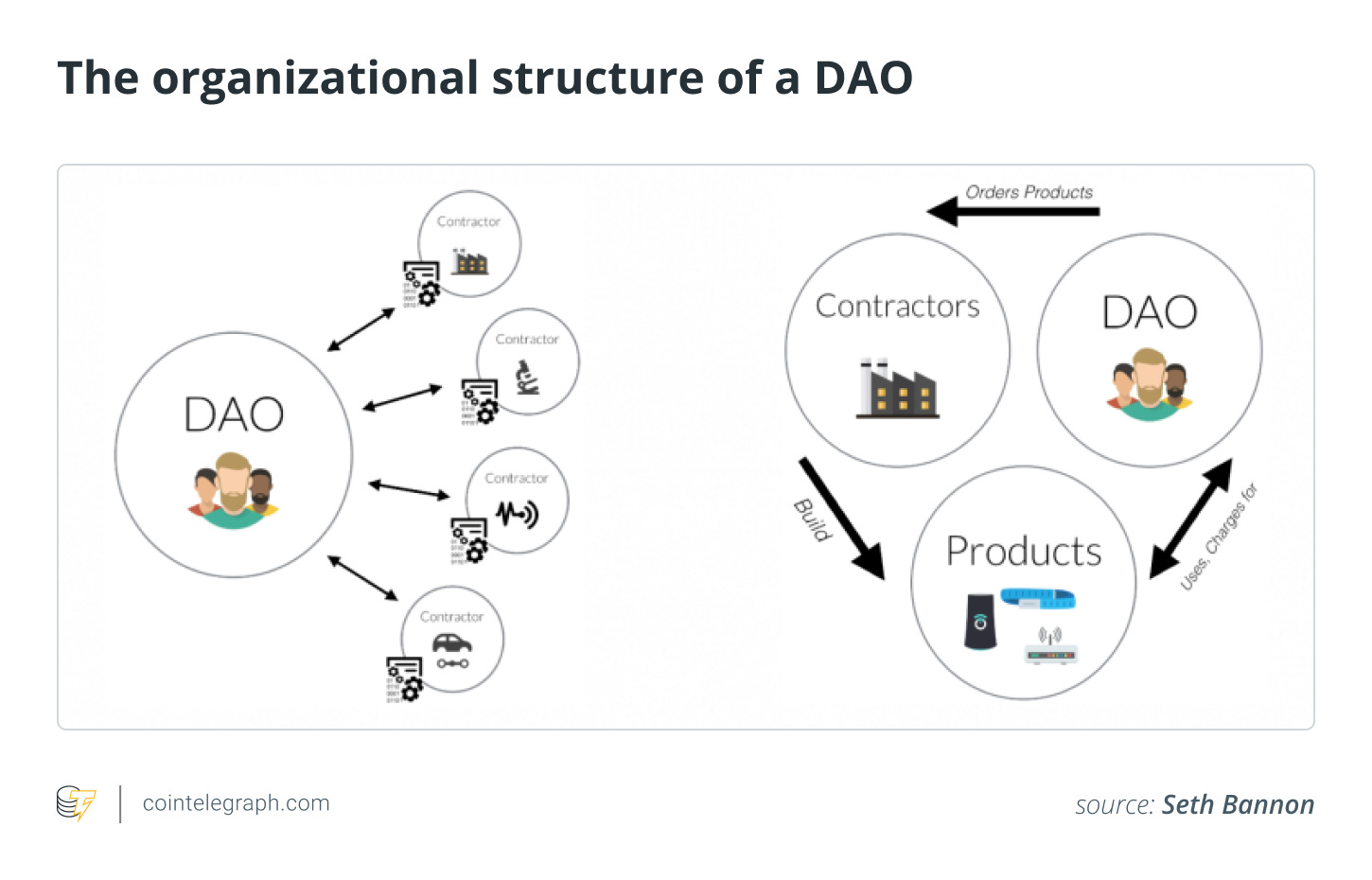
(Structure of DAOs)
Decentralised, autonomous organisations (DAO) acts as internet-focused business that runs autonomously with the assistance of smart contracts, which define key characteristics and rules.
Once the DAOs smart contract is made public on the blockchain, it becomes impossible to change its content, which includes its core members. This allows each core member security to operate a trustless and autonomous organisation.
DAOs have built-in treasuries that are funds or capital that have been collectively owned and managed by members.
To reinstate, the DAO is put together by a core team. This team is responsible to formulate the initial DAO structure and onboarding members.
Membership within the DAO can be via invite through token-based, share-based, reputation based or even NFT-based. Thus a member must obtain one of the tokens listed to be part of the DAO.
An example of this is Nova’s very own Genesis pass which is an NFT that grants membership into the DAO. If you are interested to learn more please visit the Nova website here and become a part of a DAO today!
Members of a DAO are able to vote and participate in the allocation of treasury funds. These members choose through voting on proposals set forward by the core team (or at times raised by members) through the mechanisms in place via the DAO smart contract.
In a DAO, for proposals to pass there needs to be a quorum (For example, a committee with five (5) voting members requires a quorum of three (3) voting members) for a consensus to be reached with the proposal passing or being defected due to member votes.
This creates a corporative environment of people that want to be part of an organisation. Gone are the CEO and CFO roles as DAOs do not operate with a top-down hierarchy. It’s essentially a decentralised company structure that in turn is similar to a cooperative business that is entirely owned, controlled and run by its members.
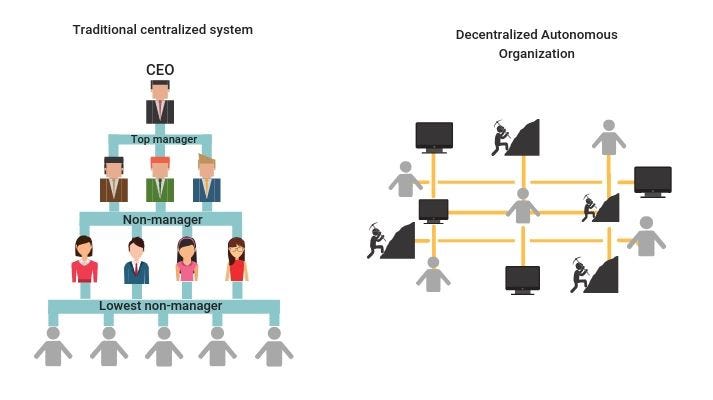
(Traditional vs decentralized organisation structures)
How to create a DAO
If a DAO sounds like a good idea and you wish to experiment, experience or delve further down the rabbit hole here is a step-by-step guide on how to start up.
Before you begin, it’s advisable that you find or create a community of like-minded people with similar visions or goals. Then, a core team needs to be assembled, think of the avengers without superpowers (but super minds) that band together to set up the functions of the DAO.
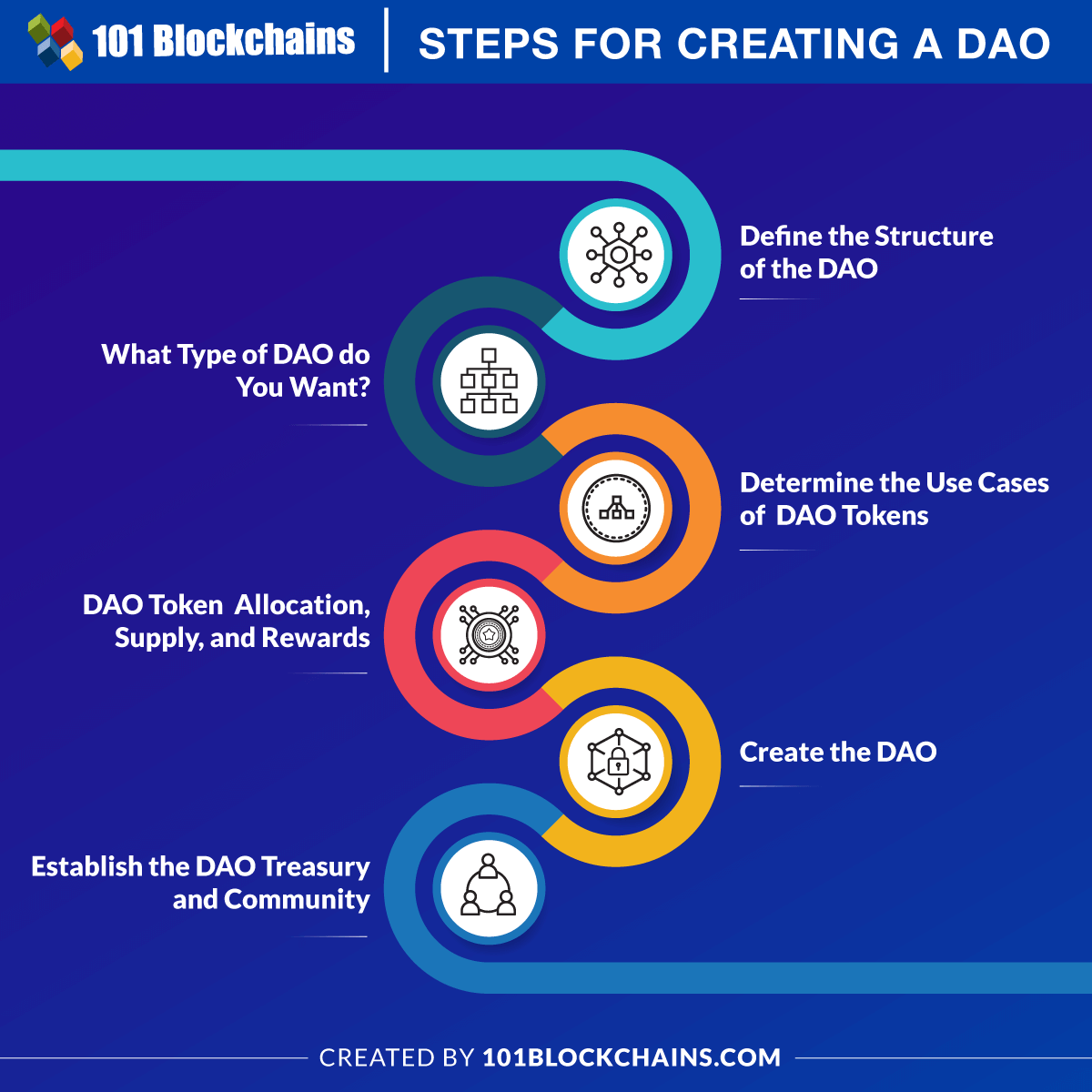
(Tips on DAO structure)
Making a DAO in ARAGON
Aragon is an easy-to-use application that builds DAOs on an open-source infrastructure with governance plugins. Using Aragon is as simple as following pre-made steps. There is no need to learn complex coding such as Solidity as the protocol does it for you.
1. Ensure you have ETH. To create a DAO on Aragon you will need at least 0.2
2. Make sure you have a Metamask account. This guide is an easy-to-follow video on how to get started with Metamask
3. Go to the Aragon website here and click on ‘create a DAO’
4. Then click ‘Create an organization
5. Choose the template that best suits your DAO
6. Select a DAO name
7. Input the duration for the voting threshold
8. Select a name for the native token of the DAO
9. Review all DAO settings so far collected
10. Sign the transaction of the Metamask wallet as the prompt comes up.
11. Congratulations, you now have a DAO!
Have a great week everyone!